
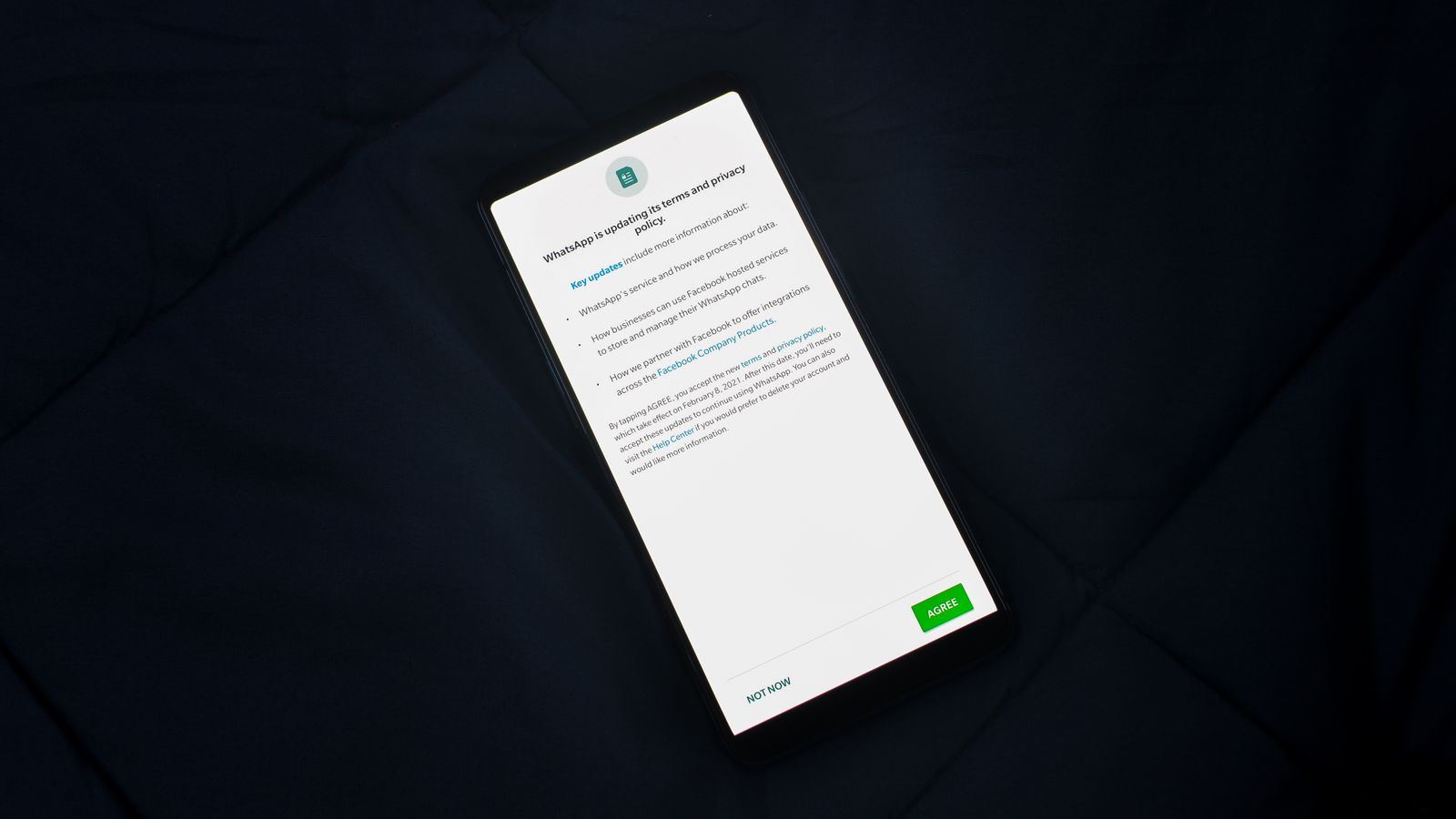
Under India's DPDP Act, you cannot just collect people's details and explain later. You first need to tell them what you will do with the data, and then ask for consent in a way they can understand and refuse. That means two things on your website and in your shop: a privacy notice and a way to give consent. This guide covers both.
Part 1: What a good privacy notice contains
The Act says the notice must be clear, stand on its own, and use plain language. It cannot be hidden inside long terms and conditions. A useful notice answers these questions:
- ✓What personal data do you collect? List each kind: name, phone number, email address, address, payment details, health information, photos, location, device and browsing data.
- ✓Why do you collect it? Give one specific purpose for each item, such as "to book and remind you of appointments", not just "to improve our services".
- ✓Who else receives it? Name your service providers, such as payment gateways, SMS and WhatsApp providers, analytics tools and cloud hosting, and say what they receive.
- ✓Where is it stored? Say whether it stays in India or goes abroad.
- ✓How long do you keep it? Give a period or a clear rule for each kind of data.
- ✓How can a person use their rights? Explain how to ask to see, correct or erase data, how to withdraw consent, and how to nominate someone.
- ✓Who can they contact? Publish the name, email and phone number of the person who answers privacy questions and complaints.
- ✓How can they complain to the Data Protection Board of India if they are not satisfied?
Language: English and 22 Indian languages
The Act requires that a person can ask for the notice in English or in any language in the Eighth Schedule of the Constitution. That is 22 languages, including Hindi, Tamil, Telugu, Bengali, Marathi, Gujarati, Kannada, Malayalam, Punjabi, Odia, Assamese and Urdu. In practice, offer the notice in the languages your customers actually speak, and add more as you grow. Have a native speaker check each translation, because a wrong word in a legal notice can change its meaning.
Part 2: What valid consent looks like
- ✓Free: the person is not forced. Do not make consent a condition for a service that does not need that data.
- ✓Specific and informed: one clear purpose per choice, in words the person understands.
- ✓Unambiguous, by a clear action: a ticked box, a tap or a spoken yes that you record. Silence, scrolling, a pre-ticked box or "by using this site you agree" are not enough.
- ✓Limited to the purpose: if you want to use the data for something new, ask again.
- ✓Easy to take back: withdrawing must be as easy as giving. If one tap gave consent, one tap must withdraw it.
Cookie and tracking banners
Analytics and advertising tools such as Google Analytics and the Meta Pixel collect personal data about visitors. A consent banner should hold those tools back until the visitor agrees, and "Reject" should be as easy and as visible as "Accept". A banner that makes rejecting hard, or that hides the choice, is a dark pattern, and it can undermine the consent you collect. If you use Google's advertising products, also set up Google Consent Mode v2 so Google tags follow the visitor's choice.
Consent that is not on a website
Many Indian businesses collect data at a counter, on a phone call or over WhatsApp. The same rules apply there. A reception desk can show a QR code that opens a consent page on the customer's own phone. For WhatsApp or SMS messages, keep a record that the person opted in. For children, a parent or guardian must give consent, and the business should not show them targeted advertising.
Keep proof of every choice
If someone disputes a message you sent, it is up to the business to show it had valid consent. For each choice, keep the date and time, what the person chose, which version of the notice they saw, the language, and how they gave it. Do not edit old records. Add a new record when someone changes their mind. A tamper-evident log makes your records easier to trust.
A checklist you can use today
- ✓The notice is a separate page, easy to find from every page and every form.
- ✓It lists data, purposes, recipients, storage, keep-times, rights and contact details.
- ✓It is available in English and in the languages your customers use.
- ✓Consent is optional, unticked by default, and tied to one purpose at a time.
- ✓Reject is as easy as Accept, and withdrawing is as easy as giving.
- ✓Trackers wait for consent.
- ✓Every choice is recorded with the date, the notice version and the language.
- ✓Children's consent comes from a parent or guardian.
- ✓A named person answers privacy questions.
Where Privacy by ZeroClause fits
Privacy by ZeroClause gives you a privacy notice you can fill in for your type of business, in English and 22 Indian languages, a consent banner you add with one line (WordPress, Shopify, Wix or plain HTML), a QR consent page for the front desk, and a record of every choice with the notice version. The wording is a starting point for your own review. It does not replace advice from your lawyer.
This article is general information to help you understand the law. It is not legal advice, and following it does not make a business compliant. Please check your own situation with a lawyer.
This article is general information, not legal advice. Laws differ between countries and change over time, and it is not a substitute for advice from a lawyer licensed in your jurisdiction.